About
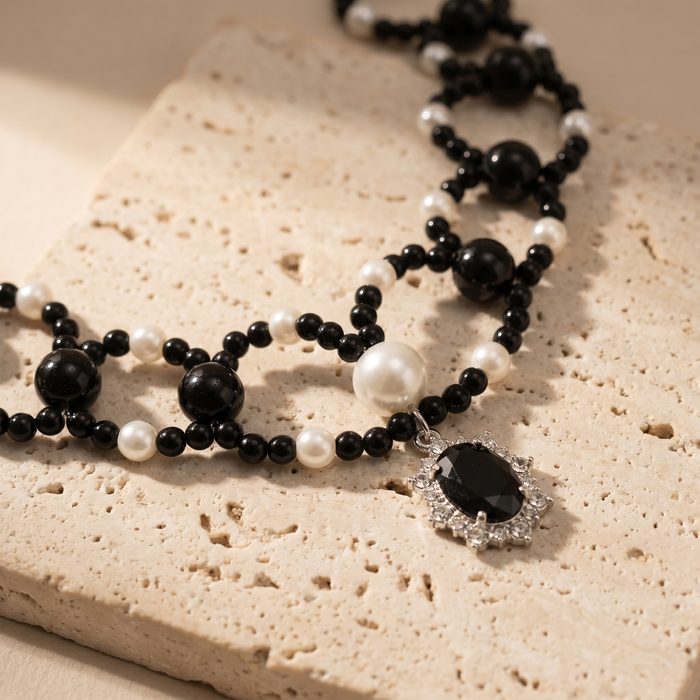
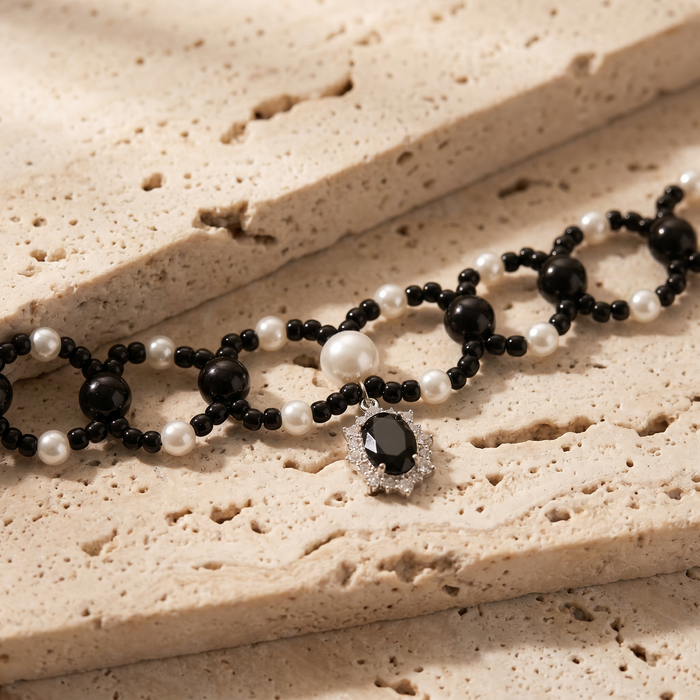
Pearls are organic gemstones formed within the soft tissue of mollusks, primarily oysters and mussels. Their iridescent surface results from layers of nacre, a combination of aragonite and conchiolin. Pearls can be natural, cultured, or imitation and occur in a range of colours, including white, cream, pink, black, and golden. Major sources include Japan, China, Australia, and French Polynesia.
Crystal Healing Energy
The overarching theme of pearls is purity and emotional balance. Associated with the energy of the ocean, pearls are believed to calm emotions, promote self-reflection, and encourage wisdom. Their soothing energy is thought to enhance patience, nurture love, and bring a sense of peace and clarity, making them a popular choice for spiritual growth and emotional healing.

Natural vs. Cultured
Natural pearls form without human intervention, while cultured pearls are farmed by implanting a nucleus into the mollusk.
Saltwater vs. Freshwater
Saltwater pearls (e.g., Akoya, Tahitian) are generally more lustrous, while freshwater pearls come in a wider variety of shapes and colours.
Science
- Type: Organic gemstone
- Structure: Amorphous
- Colour: White, cream, pink, black, golden, and more
- Refractive Index: 1.530 to 1.685
- Specific Gravity: 2.60 to 2.85
- Mohs Hardness: 2.5 to 4.5
Treatments
Cultured pearls often undergo treatments such as bleaching to enhance their colour and lustre. Dyes may also be used to produce vibrant colours, and some pearls are coated to improve their appearance.
Synthetics
Synthetic pearl is not produced due to their organic nature, instead they are farmed and cultured by implanting a nucleus into the mollusk.